Welcome to
2nd Avenue Animal Hospital
Our veterinary team strives with the utmost honesty, integrity, and compassion to provide our clients and their pets with the leading edge of medicine in combination with the utmost devoted care in an effort to exceed their expectations.
Veterinary Services
Examinations, Vaccinations, Surgery, Medicine, and more.
- $View Services
Online Pharmacy
Food, medication, and more with free delivery.
- $Shop Pharmacy
Download Mobile App
Get reminders, schedule appointments, and more.
- $Get Our App
Grooming
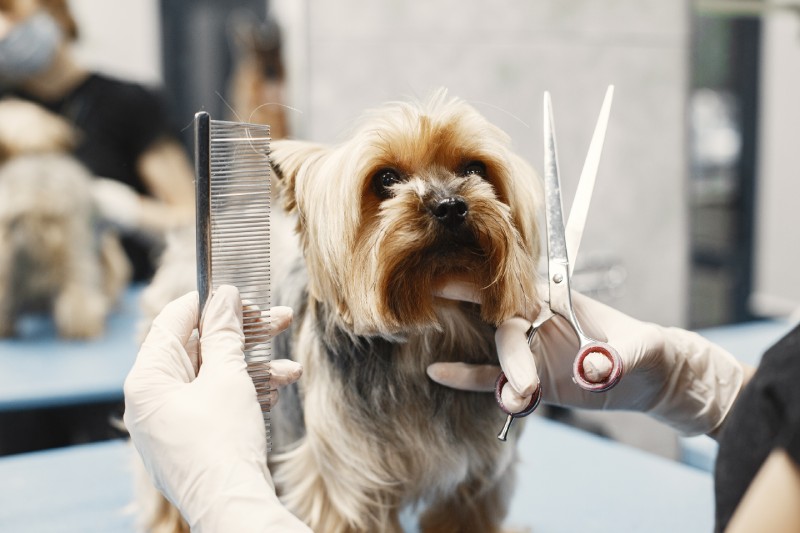
Professional Pet Grooming Services
Professional Pet Grooming Services are available by appointment. Please contact us by email or by phone at 706-507-7297 to obtain pricing information and appointment availability. Prices range by breed, condition & length of the coat.
Doggie Daycare
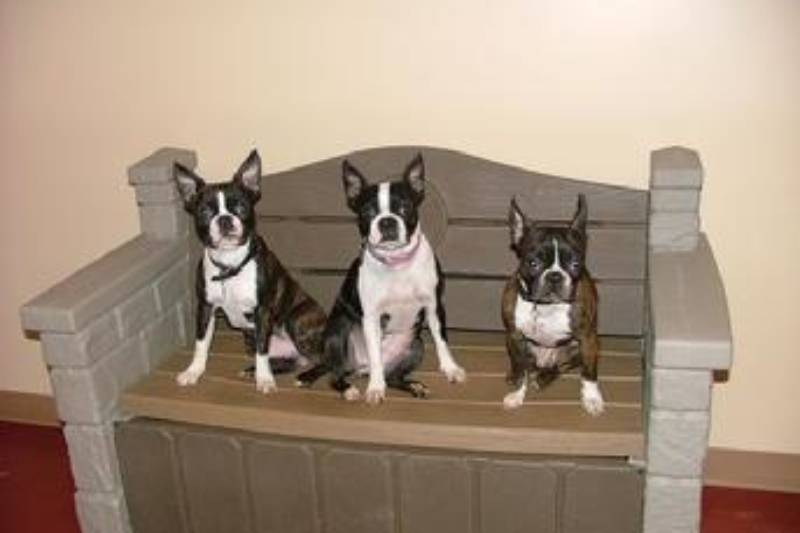
Doggie Daycare Services
We provide a smaller, homey atmosphere, caring for less than 20 dogs. This environment is great for dogs who otherwise might find a larger higher-energy daycare too stressful. Your dog’s safety and well-being are our top priority. While at Daycare, they will be under constant supervision, both inside and outside. It is the goal of 2nd Avenue Doggie Daycare to provide the highest level of care and attention for your dog as humanly possible. Our own personal dogs are members of our families; we treat them with love and respect.
Boarding
VIP Luxury Pet Boarding Services
Dogs can get their own suite with a window and TV, at least 3 playtimes per day. Pets can have their food from home, or clinic food. A grassy backyard with a nature trail is provided for exercise and elimination. We are happy to text you pictures during your stay. If you would like, for an additional small fee your pet can join in on “Doggie Daycare” Monday-Friday.
Care For Your Pets
Veterinary Services in Columbus, GA
2nd Avenue Animal Hospital offers a full range of services to care for your pet. Learn more about our complete line of veterinary services and why they are important to maintaining the health and happiness of your pet.
Pet Wellness & Preventative Medicine
Proper wellness care is crucial, and preventative medicine plays a big part in your pet’s health.
Learn More →
Pet Vaccinations
Our veterinary team will formulate a vaccine protocol appropriate for your pet’s lifestyle and age.
Learn More →
Pet General Surgery
Our state-of-the-art surgical suite allows for the performance of a wide variety of surgical procedures.
Learn More →
Pet Grooming
At 2nd Avenue Animal Hospital, our professional pet grooming services are available by appointment.
Learn More →
About 2nd Avenue Animal Hospital
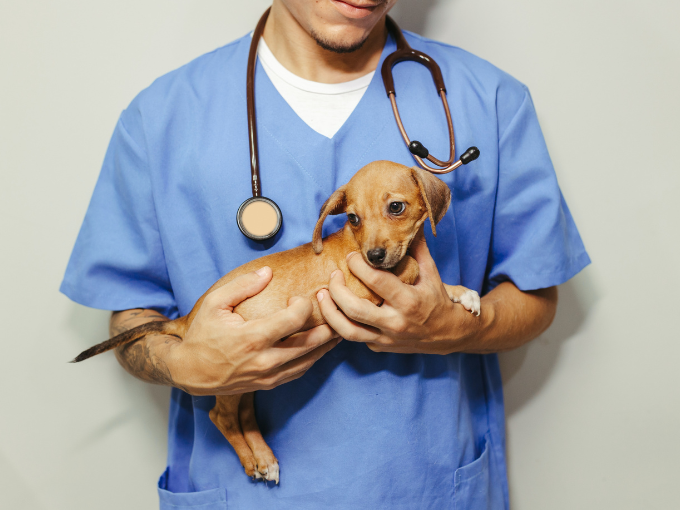
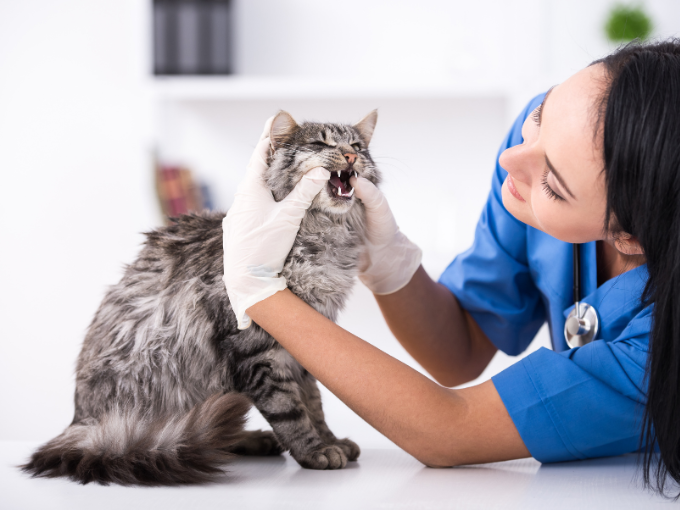
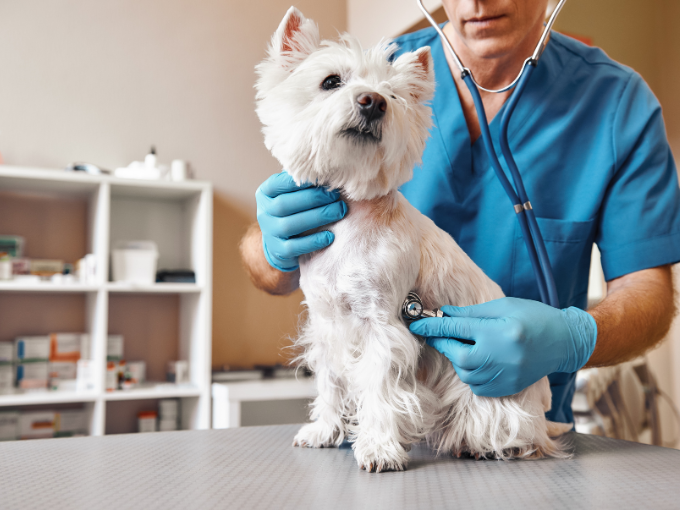
At 2nd Avenue Animal Hospital, we pride ourselves on providing compassionate care for all our patients. Our team of experienced veterinarians, technicians, and support staff treats your pets as if they were our own and will work with you to create a personalized care plan that meets your pet’s unique needs.
Our Testimonials
Real Reviews from Real Clients
Read real reviews from real clients who have made 2nd Avenue Animal Hospital one of the highest-rated veterinary facilities in Columbus, GA.